


Summary
Most Gulf Coast business owners hire a lawyer when something goes wrong. Here is what that model actually costs and why an ongoing relationship produces better outcomes.
By: Jordan Gerheim, CEO – Outside Chief Legal LLC
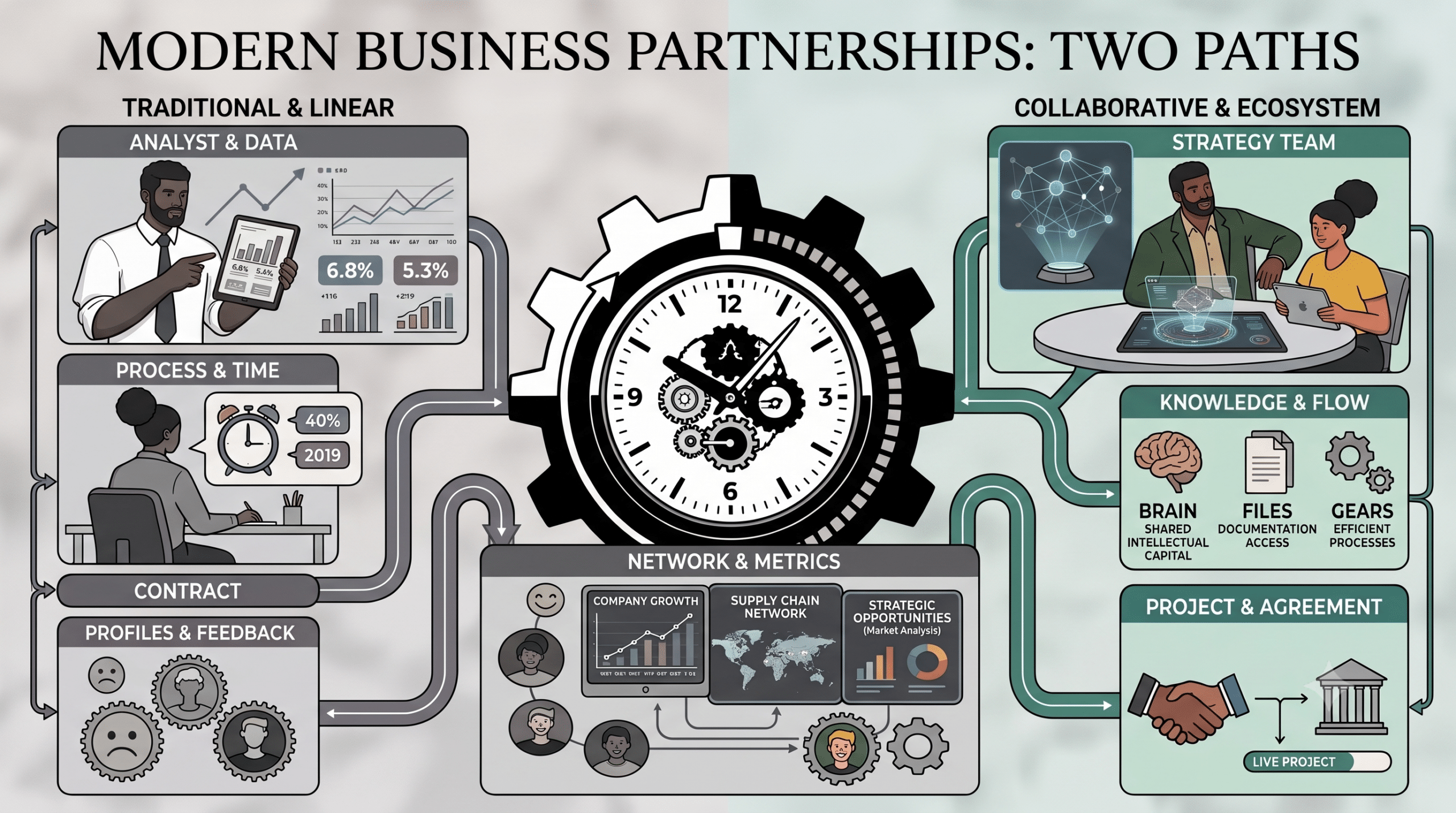
There are two ways to work with a lawyer. The first is the traditional model: something goes wrong, or a specific project comes up, you call a lawyer, you pay by the hour, the project ends, and the relationship ends with it. The second is an ongoing relationship where the lawyer knows your business, your contracts, your risk profile, and your goals before anything goes wrong.
The difference between these two models is significant, and it shows up most clearly in the moments that matter most.
The One-Time Lawyer Model
The one‑time engagement model works for isolated, defined projects. You need a contract drafted. You need a specific dispute resolved. You need a question answered. You hire an attorney, they handle the project, and the engagement closes.
The limitation of that model is that every new engagement starts from scratch. The attorney does not know your business, your industry, your existing contracts, or the risk profile you have been building over years of operations. They learn what they need to complete the project, and that knowledge leaves with the engagement.
For Gulf Coast business owners with regular legal questions, regular contracts, employees, vendor relationships, and ongoing compliance obligations, the one‑time model means every new legal conversation is the first one. You explain your business again. You catch the attorney up on the context. The advice is useful, but it does not compound.
The cost of the one‑time model is not just the hourly bill. It is also the questions you do not ask because you are not sure if they are worth calling about. It is the contract you sign without review because scheduling the conversation felt like more friction than the risk warranted. It is the decision you made without legal input because you did not want to start the meter.
Here is what that friction costs in practice: a Baldwin County business owner signs a commercial lease without legal review because scheduling the call felt like too much effort for what seemed like a standard document. Eighteen months later, the landlord invokes a personal‑guarantee clause buried in the lease that the owner never fully read. The clause makes the owner personally liable for the remaining term. Getting out of it costs more in legal fees than a full contract review would have cost at the time of signing.
The Ongoing Legal Partner Model
An ongoing legal relationship looks different. The attorney knows your business from the inside. They have reviewed your key contracts. They know your vendors, your employees, your structure, and the issues that have come up in the past. When a new question comes up, it takes a fraction of the time to get a useful answer because the context already exists.
The ongoing model also changes the incentive structure. When legal support is a flat monthly fee rather than an hourly bill, the hesitation before calling disappears. Questions get asked when they come up. Problems get addressed at the cheapest stage, not after they have compounded.
The compounding effect is real. An attorney who has reviewed twelve months of your contracts knows the patterns in your agreements. They know which vendors have historically pushed back on terms and why. They know which employment situations have been recurring. That knowledge makes every subsequent conversation more targeted and more useful.
A concrete example: a Mobile‑based staffing company moved to an ongoing legal relationship after a costly independent contractor misclassification issue. In the twelve months that followed, their outside counsel flagged a non‑compete clause in a new‑hire agreement that would have prevented them from recruiting from a key talent pool, caught an auto‑renewal clause in a software vendor contract that would have locked them in for two additional years, and helped restructure their offer‑letter template to reduce employment liability exposure. None of those items required a separate engagement or a new hourly bill. They surfaced naturally because the attorney was already paying attention.
What the Difference Looks Like in Practice
A Gulf Coast business owner with a one‑time engagement model calls their attorney when a vendor dispute surfaces. The attorney spends time getting up to speed on the business, the relationship, and the contract. The advice is good but generic because the context is thin.
A Gulf Coast business owner with an ongoing relationship calls their outside general counsel about the same dispute. The attorney already has the contract in their files. They know the history of the vendor relationship. They know whether the dispute pattern has come up before. The conversation is immediately more targeted, and the strategic advice is more useful.
The same dynamic applies to contract review before signing, employment decisions before acting on them, and compliance questions before they become violations. In each case, the ongoing relationship compresses the time it takes to get to a useful answer and raises the quality of that answer because the context does not have to be rebuilt every time.
The Real Cost Comparison
The hourly model feels cheaper because the cost is invisible until you need it. The ongoing model feels like an added expense because it shows up on a monthly statement whether or not you called that month.
The comparison that matters is not the monthly fee versus zero. It is the monthly fee versus the cost of the problems that get caught early, the contracts that get reviewed before signing, and the decisions that get made with legal input rather than without it. For a business generating real revenue with real legal exposure, that comparison almost always favors the ongoing model.
The businesses that figure this out tend to do so after a costly reactive legal experience. A dispute that ran up a significant hourly bill. A contract that created unexpected liability. An employment situation that escalated because there was no documented process in place. The ongoing relationship becomes attractive not because it sounds good in theory, but because the alternative proved expensive in practice.
When an Ongoing Relationship Makes Sense
An ongoing legal relationship makes the most sense for a business that is generating consistent revenue, dealing with legal questions on a regular basis, signing contracts regularly, managing employees or contractors, and operating in a way that creates ongoing legal exposure.
For a business at that stage, the question is not whether they need legal support. It is whether they want it proactively or reactively. The businesses that manage legal risk well consistently choose the proactive model. It costs less over time, produces better outcomes, and removes the friction that causes business owners to avoid legal input when they need it most.
OCL’s subscription model was built specifically for Gulf Coast businesses at this stage. Flat monthly fee, ongoing relationship, outside general counsel who already knows your business when something comes up. No hourly bills for routine questions. No starting from scratch every time a new issue surfaces.
If you want to understand what an ongoing legal relationship would look like for your business, a Risk‑Free Strategy Session is the right starting point. We sit down with you, learn about your business, and give you an honest read on whether the ongoing model makes sense for where you are right now.
No representation is made that the quality of the legal services to be performed is greater than the quality of legal services performed by other lawyers.
Our Corporate/Business Counsel Services
Outside Chief Legal LLC is a modern, forward-thinking law firm serving as fractional chief legal officers and outside general counsel for businesses and their owners. With over 200 years of combined litigation, in-house, general counsel, and administrative legal experience, the firm delivers approachable, comprehensive counsel that blends legal expertise with practical business insight to help clients navigate ownership complexities with confidence. OCL is a trusted partner for founders, business owners, and leadership teams nationwide. Learn more about our firm, meet our team, or schedule a Risk-Free Strategy Session to talk with an attorney about how we can help your company.
